
How to Save $1000 a Month on an Average Salary — Real Strategies That Actually Work
No gimmicks. No get-rich-quick nonsense. Just clear, actionable steps to save $1000 every single month — wherever you live.
Learning how to save $1000 a month sounds like something only six-figure earners can manage. But that’s simply not true. Thousands of people on average incomes around the world are doing it right now. The difference isn’t how much they earn — it’s how they manage what they earn.
Whether you earn $3,000 or $5,000 a month, this guide gives you a concrete, step-by-step plan to save $1000 every month — without feeling like you’re living on rice and water.
Saving $1000 a month for 10 years — even with no interest — adds up to $120,000. Invested at a modest 7% annual return, that becomes over $173,000.
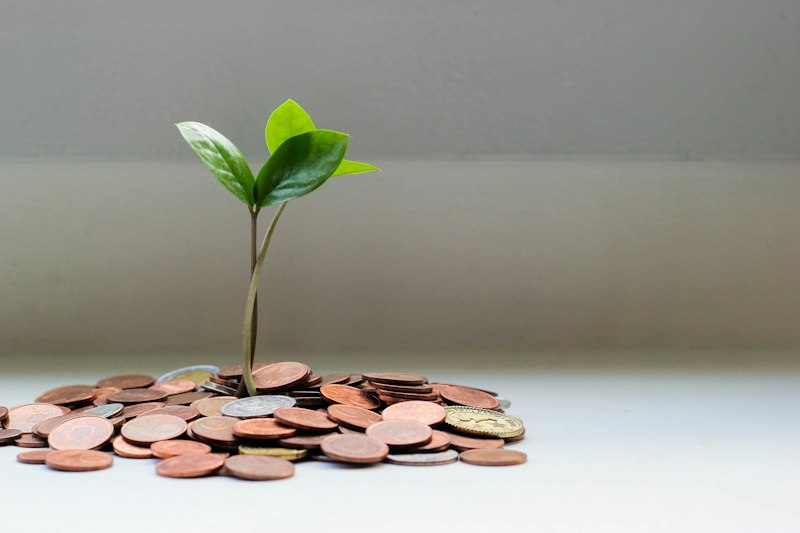
Building a savings habit starts with understanding where your money actually goes.
1. How to Save $1000 a Month: Start With the Real Math — Know Exactly Where Your Money Goes
Before you can save $1000 a month, you need to know where that money is currently hiding. Most people are genuinely shocked when they do a full audit. The goal: track every dollar for 30 days.
Use a free app like YNAB or a simple spreadsheet. Categorise expenses into:
- Fixed costs — rent/mortgage, loan repayments, insurance
- Variable necessities — groceries, utilities, transport
- Discretionary spending — eating out, streaming, shopping, hobbies
- Subscriptions — often the sneakiest budget-killers
Typical Monthly Spending Breakdown (Global Average Earner)
*Approximate global averages for illustrative purposes. Adjust based on your location and income.
2. Attack Your Biggest Costs: Housing and Transport
The golden rule in personal finance: focus on the big wins first. Cutting your daily coffee saves $50/month. Optimising housing or transport can save $200–$500. Here’s how to do both when you want to save $1000 a month.
🏠 Housing Hacks
- Get a roommate or rent a spare room
- Negotiate your rent on renewal
- Refinance your mortgage
- Move to a slightly smaller space
- Use energy-saving measures to cut utilities
🚗 Transport Hacks
- Switch to public transit or cycling
- Carpool with colleagues
- Refinance or sell a second car
- Compare car insurance annually
- Use apps to find cheaper fuel
Don’t make drastic housing moves (like breaking a lease) without calculating all costs. Sometimes staying put and cutting elsewhere is the smarter short-term move.

Housing and transport often represent 50–60% of the average person’s budget — small changes here create big savings.
3. Cut the Quiet Budget Killers: Food & Subscriptions
Food and subscriptions are where money silently leaks every month. Most people discover they’re spending $150–$300/month on food they didn’t need and subscriptions they forgot about. Eliminating these leaks is one of the fastest ways how to save $1,000 a month.
Food Savings Strategy
- Meal prep on Sundays — one of the highest ROI habits in personal finance
- Shop with a list and never hungry
- Buy store-brand products (usually 20–40% cheaper)
- Limit eating out to once a week with a set budget
- Use discount apps (Too Good To Go, Flashfood, etc.)
- Batch cook and freeze meals for the week
Subscription Audit Checklist
Cancel anything you haven’t used in the last 30 days:
- ☑ Streaming services (Netflix, Disney+, Hulu, Apple TV)
- ☑ Music apps (Spotify, Apple Music)
- ☑ Gym or fitness memberships
- ☑ Cloud storage upgrades
- ☑ Magazine or news subscriptions
- ☑ Premium apps (often auto-renewed from years ago)
- ☑ Food delivery memberships
- ☑ Beauty or product subscription boxes
💡 Average person wastes $219/month on forgotten or unused subscriptions.
4. Real Story: How Maria Went From $0 Saved to $1,100/Month
Maria, 31, Customer Service Manager — São Paulo, Brazil
Maria earned the equivalent of $3,200/month and was saving almost nothing. She had three streaming subscriptions, ate out four times a week, and paid $180/month for a gym she visited twice. “I honestly had no idea where my money went,” she says.
She started with a 30-day spending audit. What she found surprised her — $380/month was going to food delivery and eating out alone. She cancelled two streaming services, started meal prepping on Sundays, and negotiated a $95 reduction on her internet plan.
Within 8 weeks, Maria was saving $1,100/month. She’s now building a 6-month emergency fund and has started investing in a low-cost index fund. “The hardest part was starting. Once I saw the numbers, the rest was easy.”

Awareness is the first step. Once you see where your money goes, change becomes almost automatic.
5. Automate Your Savings and Boost Your Income
The single most effective habit when learning how to save $1,000 a month: automate a transfer to savings the same day your salary lands. What you don’t see, you don’t spend.
Open a separate savings account in a different bank — one with no easy debit card access. Out of sight, out of mind.
Side Income Ideas That Fit Around a Day Job
Writing, design, coding on Fiverr or Upwork. Even 5 hrs/week can add $200–$500/month.
Delivery, rideshare, or task apps. Flexible hours, starts immediately, $100–$400/month part-time.
Declutter and sell on eBay, Facebook Marketplace. One-time $200–$800 boost.
Teach a skill on Preply or Superprof. $15–$50/hr depending on subject.

A side hustle doesn’t need to be a second career — even a few hours per week can make the $1,000/month goal much easier to hit.
6. Your 30-Day Action Plan to Save $1,000 This Month
Stop reading and start doing. Here’s your week-by-week plan to finally put saving $1,000 a month into action:
- Download a budgeting app and connect your accounts
- Track every purchase for 7 days — no judgement, just awareness
- List all subscriptions and cancel at least 2–3
- Set a grocery budget and do your first meal prep Sunday
- Call your internet/phone/insurance providers and negotiate a better rate
- Open a dedicated savings account (different bank, no debit card)
- Set up an automatic transfer on payday to your savings account
- Identify one side income idea and take one concrete action
- Review your transport costs and find one way to reduce them
- Review the month: what worked, what didn’t
- Calculate exactly how much you saved — celebrate the win!
- Increase your savings automation target for next month
🧮 Monthly Savings Calculator
Enter your income and expenses below to see exactly how close you are to saving $1,000/month.

Saving $1,000/month and investing consistently could build $173,000+ in just 10 years at a modest 7% return.
❓ Frequently Asked Questions
Is it realistic to save $1,000 a month on an average salary?
Yes. It requires a clear budget, identifying key areas to cut, and possibly a small side income. With consistent effort over 2–3 months, most average earners can reach this goal.
What is the 50/30/20 rule for saving money?
The 50/30/20 rule suggests spending 50% on needs, 30% on wants, and saving 20%. To save $1,000/month you’ll likely need to push the wants category down and redirect it to savings.
What are the fastest ways to save $1,000 a month?
Cutting housing costs, cancelling unused subscriptions, meal prepping, reducing transport costs, and automating savings on payday are the fastest wins most people can act on immediately.
How can I save $1,000 a month if I live paycheck to paycheck?
Start by auditing every expense and cancelling non-essentials. Focus reductions on housing, transport, and food. Even a small side hustle a few hours per week can close the gap faster than you think.
Should I invest or save the $1,000 each month?
Build a 3–6 month emergency fund first. After that, invest monthly into low-cost index funds or retirement accounts so your money grows through compound interest over time.
Does where I live affect how easy it is to save $1,000/month?
Absolutely. Low cost-of-living cities make it easier. In expensive cities like London, New York, or Sydney, the same money saving strategies apply — but side income becomes a more essential part of the equation.
What apps help me save $1,000 a month automatically?
YNAB, Mint, and Goodbudget are popular budgeting apps. For automated micro-savings, Digit and Qapital analyse your spending patterns and move small amounts to savings throughout the month.
Ready to Start Saving $1,000 This Month?
Use the savings calculator above, pick your top 3 strategies from this guide, and set up your automated savings transfer today. Your future self will thank you.
Financial Disclaimer: The information provided in this article is for general educational and informational purposes only and does not constitute professional financial advice. Savings potential varies significantly based on individual income, location, and lifestyle. Always consult a qualified financial adviser before making major financial decisions. Figures and examples used are illustrative approximations and should not be taken as guarantees of results.