How to Build a 6-Month Emergency Fund From Scratch in 2026
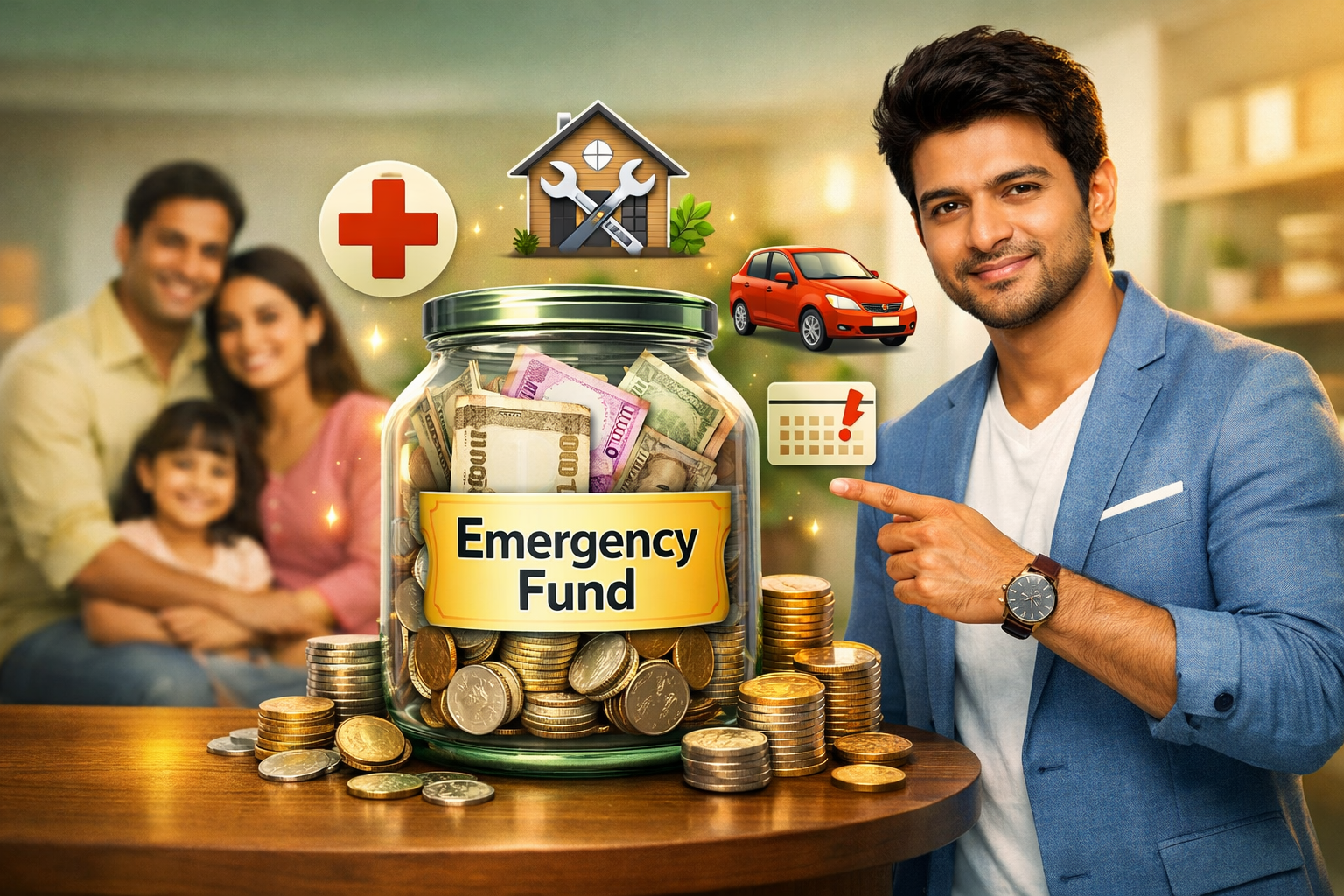
Life has a funny way of surprising you — and not always in a good way. A sudden job loss, an unexpected medical bill, a car breakdown at the worst possible time. Without a financial cushion, these moments can turn stressful situations into genuine crises. That’s exactly why knowing how to build an emergency fund is one of the most powerful things you can do for your financial wellbeing.
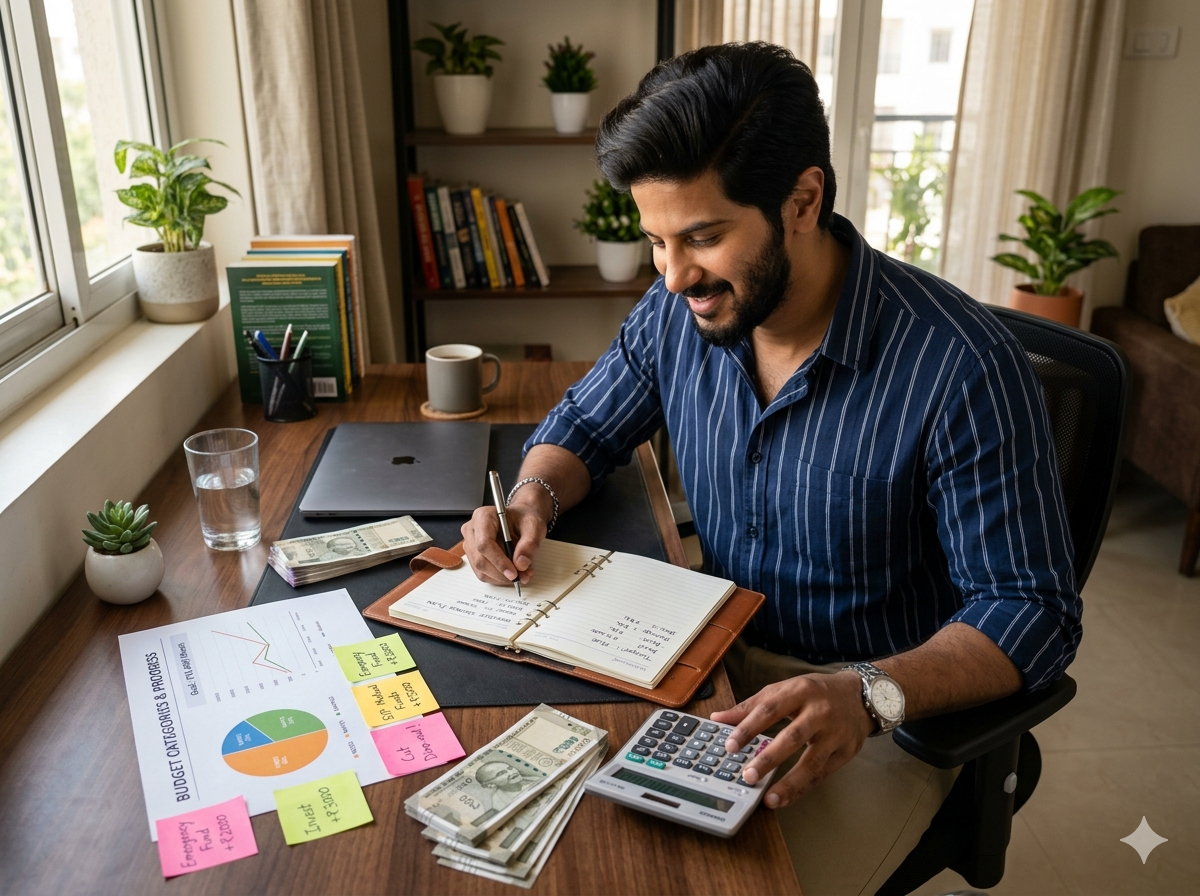
In this guide, we’ll walk you through everything — from calculating exactly how much you need, to practical emergency fund savings tips that work even on a tight budget. Whether you’re starting from zero or restarting after a setback, this is your 2026 roadmap. You may also want to read our guide on how to create a monthly budget that actually works — it pairs perfectly with the steps below.
Why an Emergency Fund Is Non-Negotiable in 2026
The economic landscape has shifted dramatically over the past few years. Inflation, rising living costs, and increasing job market uncertainty have made financial resilience more important than ever. According to Investopedia, an emergency fund is a foundational pillar of any sound personal finance strategy — and most financial experts recommend having three to six months of living expenses set aside.
Without one, you’re forced to rely on high-interest credit cards or personal loans the moment anything goes wrong. Those options can take years to pay off and create a cycle of debt that’s hard to escape.
Meet Priya: A Story That Might Sound Familiar
Meet Priya, a 29-year-old UX designer from Bengaluru who was earning a solid salary but living paycheck to paycheck. Life was comfortable — until her freelance income dried up for three months and her laptop died the same week. With no savings buffer, she had to borrow from family and take a personal loan at 18% interest. It took her nearly a year to recover financially.
After that experience, Priya committed to building a proper emergency fund. Within 11 months, she had six months of expenses saved — and she slept better than she had in years. Her story isn’t unusual. And her strategy? Exactly what we’re about to share with you.
How Much Emergency Fund Do I Need?
This is the question everyone asks first — and the answer depends on your personal situation. The standard recommendation is 3 to 6 months of essential living expenses. But there’s nuance here.
| Your Situation | Recommended Fund Size | Why |
|---|---|---|
| Stable salaried job, no dependants | 3 months | Lower risk, faster re-employment likely |
| Freelancer or self-employed | 6 months | Irregular income = higher risk |
| Single income household with dependants | 6–9 months | More at stake if income is disrupted |
| Dual income, no dependants | 3 months | Partner’s income provides a natural buffer |
| Health condition or chronic illness | 6–12 months | Higher likelihood of medical expenses |
To calculate your personal target, add up your essential monthly expenses: rent or mortgage, food, utilities, transport, insurance premiums, and minimum debt repayments. Multiply that number by the number of months appropriate for your situation. That’s your goal.
Emergency Fund Calculator — Find Your Target Today
Use the calculator below to find your personalised emergency fund target based on your actual monthly expenses.
Step-by-Step: How to Build an Emergency Fund From Scratch
Building a six-month emergency fund might feel overwhelming when you’re starting from zero. The trick is to break it into small, manageable steps. Here’s exactly how to do it.
Step 1: Open a Dedicated Savings Account
Your emergency fund should never sit in your everyday current account — it’s too easy to spend. Open a separate high-yield savings account purely for this purpose. Look for accounts with no fees, easy access (but not instant temptation), and the best interest rate you can find through your local bank or a reputable online savings platform.
Step 2: Set a Realistic Monthly Savings Target
Look at your monthly income and expenses, then find a number you can commit to consistently. Even $50 or $100 per month is a meaningful start. The goal is consistency over size. A small amount saved every single month beats large irregular deposits every time.
If your budget feels impossibly tight, use the “pay yourself first” method: as soon as your salary hits your account, automatically transfer your savings amount before you spend a single penny on anything else.
Step 3: Automate Your Savings
Set up an automatic transfer from your main account to your emergency fund account on the same day each month — ideally your payday. When saving is automated, you never have to think about it, you never forget, and you never “accidentally” spend the money. This is one of the most effective emergency fund savings tips that genuinely works in practice.
Step 4: Find Extra Money to Accelerate Your Progress
To save 6 months expenses fast, you need to look beyond your regular salary. Here are practical ways to find extra cash:
- Sell things you no longer use — declutter your home and sell on eBay, Facebook Marketplace, or local classifieds
- Cancel unused subscriptions — audit every recurring payment on your bank statement; the average person has 3–4 they’ve forgotten about
- Temporarily cut discretionary spending — eating out, streaming services, impulse buys — redirect all of this into savings for 6 months
- Take on a side income — freelancing, tutoring, delivery driving, or selling skills on platforms like Fiverr or Upwork
- Use windfalls wisely — tax refunds, bonuses, gifts, or cashback rewards should go straight to your emergency fund

Step 5: Track Progress and Stay Motivated
Saving for months without visible rewards can feel demoralising. Combat this by breaking your goal into milestones. Celebrate hitting 1 month of cover, then 2, then 3. Use a simple spreadsheet, a savings tracker app, or even a hand-drawn progress chart on your fridge. Visual progress is one of the most underrated motivators in personal finance.
The Best Places to Keep Your Emergency Fund
Where you keep your emergency fund matters almost as much as having one. You need it to be safe, accessible within 1–3 business days, and ideally earning some interest while it waits.
| Option | Pros | Cons | Best For |
|---|---|---|---|
| High-yield savings account | Earns interest, safe, easy access | Rates can fluctuate | Most people |
| Money market account | Slightly higher rates, still liquid | May have minimum balance | Larger fund balances |
| Short-term fixed deposit / CD | Higher guaranteed return | Early withdrawal penalty | Part of a larger fund only |
| Current/everyday account | Instant access | Too tempting; usually earns nothing | Not recommended |
Top Emergency Fund Savings Tips to Build Faster
Here’s a summary of the most effective strategies to reach your goal as quickly as possible — especially if you’re trying to save 6 months expenses fast.
✅ Proven Tactics That Actually Work
- Use the 50/30/20 rule — allocate 20% of your income to savings and debt repayment; direct a chunk of this specifically to your emergency fund until it’s complete
- Do a “no-spend month” — commit to zero non-essential purchases for 30 days and deposit the difference; many people save an extra $200–$500 this way
- Apply the “savings round-up” trick — round up every purchase to the nearest dollar (or $5) and transfer the difference to savings; some banking apps do this automatically
- Reduce your biggest expense first — for most people, that’s housing or food; even a small reduction here has an outsized impact
- Set monthly savings challenges — challenge yourself to save an extra $10 more than last month, every month; within a year, your monthly contribution grows significantly
- Create a visual savings tracker — draw 60 boxes (representing 60% of your goal milestones), colour one in each time you hit a mini-target

What Counts as a Real Emergency?
One of the biggest mistakes people make is dipping into their emergency fund for things that aren’t true emergencies. It’s worth being very clear about this before you ever need to make a withdrawal.
| ✅ True Emergency (Use the Fund) | ❌ Not an Emergency (Don’t Touch It) |
|---|---|
| Job loss or sudden income disruption | Holiday or vacation |
| Urgent medical treatment | New phone or laptop upgrade |
| Essential car repair (needed for work) | Sale shopping or impulse purchases |
| Critical home repair (e.g. boiler failure) | Home renovations or upgrades |
| Unexpected essential travel (family crisis) | Concert tickets, dining out |
If you do need to use the fund, that’s exactly what it’s there for — don’t feel guilty. But commit to replenishing it as quickly as possible once the situation has passed. Also see our related guide on how to create a monthly budget that actually works to help you rebuild faster.
Frequently Asked Questions
How to build an emergency fund when you’re living paycheck to paycheck?
Start small — even saving $10 or $20 per week makes a meaningful difference over time. Use the “pay yourself first” method by automating a small transfer the moment your salary arrives. Look for small expenses to cut, such as unused subscriptions or takeaway coffee, and redirect those funds to savings.
How much should my emergency fund be?
Most financial experts recommend 3 to 6 months of essential living expenses. Freelancers, self-employed workers, or anyone with dependants should aim for 6 months or more. Calculate your target by adding up rent, food, utilities, transport, and insurance — then multiply by the number of months you want to cover.
Where should I keep my emergency fund?
A dedicated high-yield savings account is the best option for most people. It earns interest, keeps your money safe, and remains accessible within 1–3 business days. Avoid keeping it in your everyday account (too easy to spend) or investing it in stocks or crypto (too risky).
How long does it take to build a 6-month emergency fund?
It depends on your savings rate. If your monthly essential expenses are $2,000, your 6-month goal is $12,000. Saving $500 per month gets you there in 2 years; saving $1,000 per month cuts that to 1 year. Adding side income and directing windfalls to savings can significantly speed things up.
Should I build an emergency fund or pay off debt first?
Most financial advisers recommend building a small starter emergency fund (around 1 month of expenses) first, then aggressively paying off high-interest debt, then completing your full emergency fund. Without any buffer, a single unexpected expense can push you straight back into debt.
Can I use a credit card instead of an emergency fund?
A credit card is not a substitute for an emergency fund. Credit cards charge high interest (often 18–25% annually) and increase your debt exactly when you’re most vulnerable. An emergency fund provides cash you own — with no interest, no repayment pressure, and no risk of being declined.
What are the best emergency fund savings tips for freelancers?
Freelancers should target 6–12 months of expenses due to income volatility. Set aside a fixed percentage (15–20%) of every payment you receive, regardless of the amount. Keep your emergency fund in a separate account and treat it as untouchable unless a genuine crisis occurs.