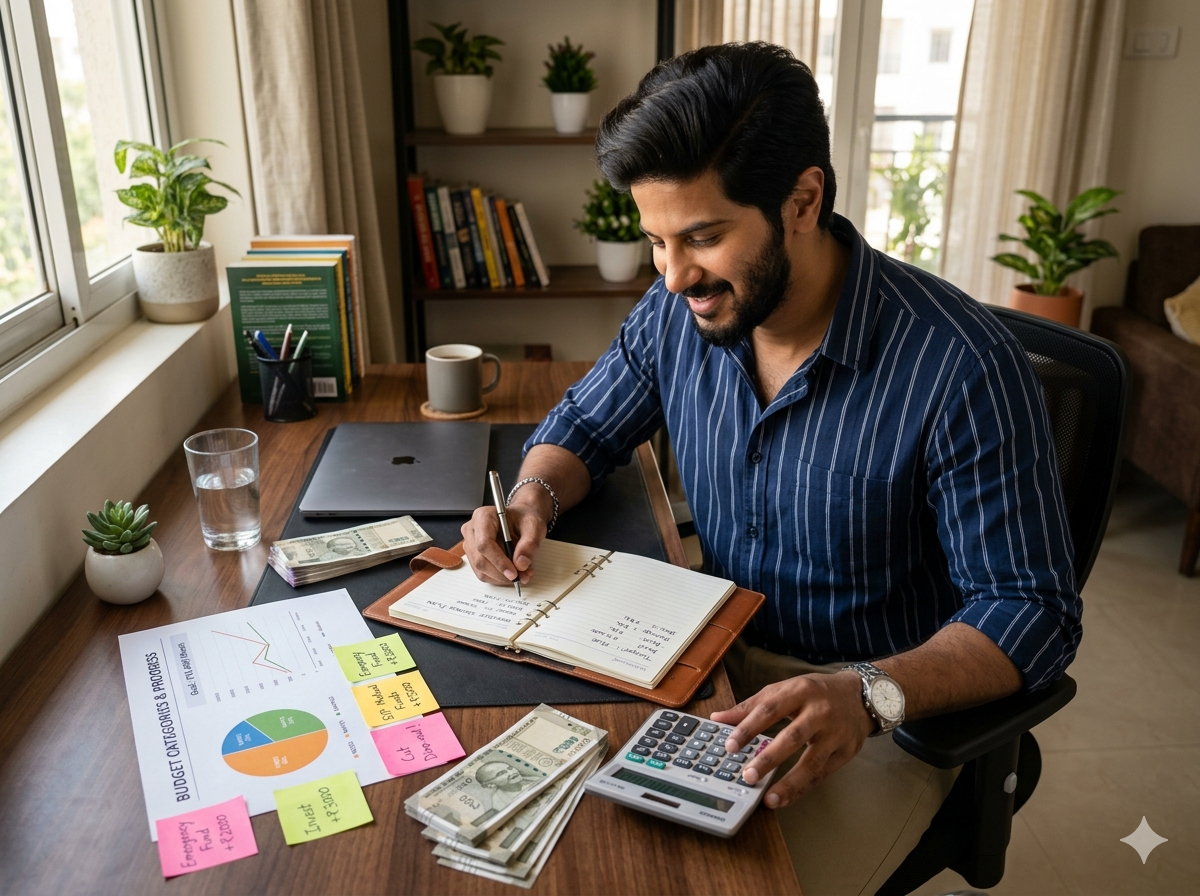
How to Start Investing with Little Money: 7 Smart Steps for 2026
Think you need thousands of dollars before you can start investing? Think again. Learning how to start investing with little money is one of the most empowering financial moves you can make — and in 2026, it has never been more accessible.
Whether you have $5, $50, or $100 sitting in your account right now, that amount is enough to begin building real, lasting wealth. The secret is not the size of your starting investment — it is the habit, the consistency, and knowing where to put your money.
In this guide, we will walk you through everything — from understanding why small investments matter to choosing the right platform and making your first move. Let us get started.

Meet Priya, a 27-year-old content writer from Colombo, Sri Lanka. A year ago, she thought investing was only for people with “real money.” Then a colleague mentioned she had started putting just $50 a month into an index fund. Curious, Priya opened a brokerage account the same week with $100. Today, her small portfolio has grown to over $1,400 — and more importantly, she has built a habit that will compound for decades. Priya’s story is not unique. It can be yours too.
Why Starting Small Is Actually a Power Move
Most people delay investing because they are waiting for a “big enough” amount. But this thinking costs you something priceless: time. Time is the single most powerful ingredient in building wealth, and compound growth — where your returns earn more returns — works its magic regardless of how small your starting amount is.
Here is a simple example. If you invest just $100 today and add $50 every month with an average annual return of 8%, after 20 years you would have over $29,000. You only contributed $12,100 out of your own pocket — the rest is pure compound growth. (All figures are illustrative; actual returns will vary.)
Step 1: Clear the Ground — Sort Your Financial Basics First
Before you put a single dollar into the market, make sure your financial foundation is solid. Investing on top of high-interest debt is like filling a bucket with holes — the return on your investment will almost certainly be lower than the interest you are paying.
Your Pre-Investment Checklist
- Emergency fund: Aim to have at least 3 months of living expenses saved in a liquid account before investing. Life is unpredictable — you do not want to sell investments at a loss to cover an unexpected bill.
- High-interest debt: Pay off credit card debt (typically 18–25% interest rate) before investing. No investment reliably beats that kind of debt cost.
- A budget that allows regular contributions: Even $20–$50 per month, invested consistently, matters enormously over time.
Step 2: Choose the Right Investment Type for Beginners
Not all investments are the same. As a beginner with a small amount to invest, some options are far better suited to you than others. Here is a clear breakdown of the most beginner-friendly choices available in 2026:
| Investment Type | Minimum to Start | Risk Level | Best For |
|---|---|---|---|
| Index Funds / ETFs | $1–$10 | Medium | Long-term wealth building |
| Fractional Shares | $1 | Medium–High | Owning top companies affordably |
| Robo-Advisors | $0–$100 | Low–Medium | Hands-off automated investing |
| High-Yield Savings Account | $0 | Very Low | Emergency fund / short-term savings |
| Micro-Investing Apps | $1–$5 | Low–Medium | Building the habit of investing |
For most beginners, index funds and ETFs (Exchange-Traded Funds — baskets of many stocks that track a market index) are the gold standard. They are diversified (spread across many companies), low-cost, and historically deliver strong long-term returns. Platforms like Vanguard, Fidelity, and Schwab (USA), or equivalents in your region, offer ETFs with no minimum purchase requirement on fractional share platforms.

Step 3: Pick a Platform That Works for Small Amount Investing
The platform you choose can make or break your experience as a beginner investor. Here is what to look for when you are starting with a small amount:
- No or low account minimums: Many modern platforms let you open and fund an account with $1 or even nothing at all.
- Commission-free trades: Avoid platforms that charge a fee every time you buy or sell. With a small portfolio, fees can eat your returns alive.
- Fractional share investing: This lets you buy a small piece of an expensive stock (like buying $10 worth of a $300 share).
- Ease of use: A clean, beginner-friendly interface removes friction and makes it easier to stay consistent.
- Regulation and safety: Make sure the platform is regulated by the appropriate authority in your country (e.g., SEC and FINRA in the USA, FCA in the UK, SEBI in India, ASIC in Australia). Check your local regulator’s website to verify.
Step 4: Use Tax-Advantaged Accounts Where Possible
One of the most powerful — and underused — tools for small investors is the tax-advantaged account. These are special account types that either reduce your taxes now or allow your investments to grow completely tax-free.
Common Tax-Advantaged Accounts by Region
| Country / Region | Account Type | Key Benefit |
|---|---|---|
| USA | Roth IRA / 401(k) | Tax-free growth or pre-tax contributions |
| UK | Stocks & Shares ISA | All gains and income are tax-free |
| India | ELSS / PPF / NPS | Tax deductions under Section 80C |
| Canada | TFSA / RRSP | Tax-free or tax-deferred growth |
| Australia | Superannuation | Concessional tax on contributions and earnings |
Always check with a qualified financial adviser or your local tax authority for the rules that apply to your specific situation. Using a tax-advantaged account can mean the difference between paying a significant chunk of your gains in tax — or keeping every dollar of growth for yourself.
Step 5: Automate and Stay Consistent — the Real Secret to Small Amount Investing
Once you have chosen your platform and account type, the most effective thing you can do is automate your contributions. Set a fixed amount — even $20 or $50 — to transfer into your investment account on the same day every month, ideally right after your paycheck arrives.
This strategy is called Dollar-Cost Averaging (DCA). It means you buy more units when prices are low and fewer when prices are high — automatically smoothing out the ups and downs of the market over time. You never need to “time the market” perfectly.

Step 6: Diversify — Do Not Put Everything in One Place
Diversification simply means spreading your money across different investments so that one bad performer does not wipe you out. It is the investment world’s version of “do not put all your eggs in one basket.”
The good news for small investors: index funds are already diversified by design. A single global index fund might hold shares in hundreds or even thousands of companies across dozens of countries — giving you broad market exposure even with a $100 investment.
A Simple Beginner Portfolio (Illustrative)
| Asset Type | Suggested Allocation | Why |
|---|---|---|
| Global Stock Index Fund | 60–70% | Long-term growth engine |
| Bond Index Fund | 20–30% | Stability and lower volatility |
| Cash / High-Yield Savings | 10% | Liquidity buffer |
This is a starting framework only — your ideal allocation depends on your age, risk tolerance, financial goals, and time horizon. Consider speaking with a financial adviser for personalised guidance. You can also find more on building a beginner portfolio at our guide on building your first investment portfolio.
Step 7: Stay the Course — Avoid These Common Beginner Mistakes
Starting is the hardest part, but staying consistent is where most beginners stumble. Here are the most common pitfalls to avoid on your investing journey:
- Panic selling during market dips: Markets go up and down. Short-term drops are normal. Selling in a panic locks in your losses. History shows markets recover over time.
- Checking your portfolio every day: This leads to anxiety and impulsive decisions. Check in monthly or quarterly at most.
- Chasing “hot” stocks or trends: Buying a stock because everyone is talking about it is usually the worst time to buy. Stick to diversified, low-cost index funds.
- Ignoring fees: Even a 1% annual fee can cost you tens of thousands of dollars over 20 years. Always check the expense ratio (annual fee) of any fund before investing.
- Waiting for the “perfect” time: There is no perfect time. The best time to start investing was yesterday. The second best time is today.
📈 Investment Growth Calculator — See Your Money Grow
Enter your details below to see how even a small monthly investment can grow significantly over time. All amounts are in USD for illustration — adjust to your own currency.
Your Next Step: Start With What You Have Today
The entire point of learning how to start investing with little money is this: you do not need to wait. You do not need a higher salary, a windfall, or a financial degree. You need $100 (or even less), a plan, and the willingness to take the first step.
Priya started with $100. Today she checks her growing portfolio with a smile and wishes she had started two years earlier. Every month she adds a little more. Every year the habit becomes more effortless.
The best investment you will ever make is in your financial education and in starting — however small — today.
Frequently Asked Questions
How to start investing with little money as a complete beginner?
The best way to start investing with little money is to open a commission-free brokerage account, choose a diversified index fund or ETF, and set up a small automatic monthly contribution — even $20 to $50. Consistency and time matter far more than the starting amount.
Is $100 enough to start investing?
Absolutely. Many platforms allow you to start investing with as little as $1 using fractional shares or micro-investing apps. A $100 starting investment combined with consistent monthly contributions can grow significantly over 10 to 20 years thanks to compound interest.
What is the safest investment for beginners with small amounts?
For beginners, low-cost index funds and ETFs that track broad market indices (like a global stock market fund) are considered relatively safe long-term investments due to their built-in diversification. High-yield savings accounts are safer still but offer lower long-term returns. Always match your investment choice to your risk tolerance and time horizon.
How long does it take to see results from investing small amounts?
Compound growth works most powerfully over longer periods. You may see modest growth within the first year, but the most significant results typically emerge over 10, 15, or 20 years. Patience and consistency are the key ingredients — not the starting amount.
What are the best apps for small amount investing in 2026?
In 2026, popular platforms for small amount investing include Fidelity, Schwab, and Vanguard in the USA; Hargreaves Lansdown and Trading 212 in the UK; Zerodha and Groww in India; and DEGIRO in Europe. Always verify that the platform is regulated by the appropriate financial authority in your country before depositing money.
Should I pay off debt before I start investing?
It depends on the type of debt. High-interest debt such as credit card balances (typically 18–25% interest) should almost always be paid off before investing, as the interest cost exceeds likely investment returns. Low-interest debt like a student loan or mortgage can often run alongside a small investment habit.
What is dollar-cost averaging and why does it help small investors?
Dollar-cost averaging (DCA) means investing a fixed amount at regular intervals — say $50 every month — regardless of market conditions. This strategy automatically means you buy more units when prices are low and fewer when prices are high, smoothing out market volatility. It is one of the simplest and most effective strategies for anyone learning how to start investing with little money.